Community
How to interpret Minnesota’s election results
By Katherine Langford
Advertisement · Why this ad?
Marcus manages the day-to-day editorial workflow across all brands, coordinating coverage assignments and ensuring editorial standards are met. He previously served as city editor at the Pioneer Press and holds a degree in Political Science from Carleton College.
More from Marcus →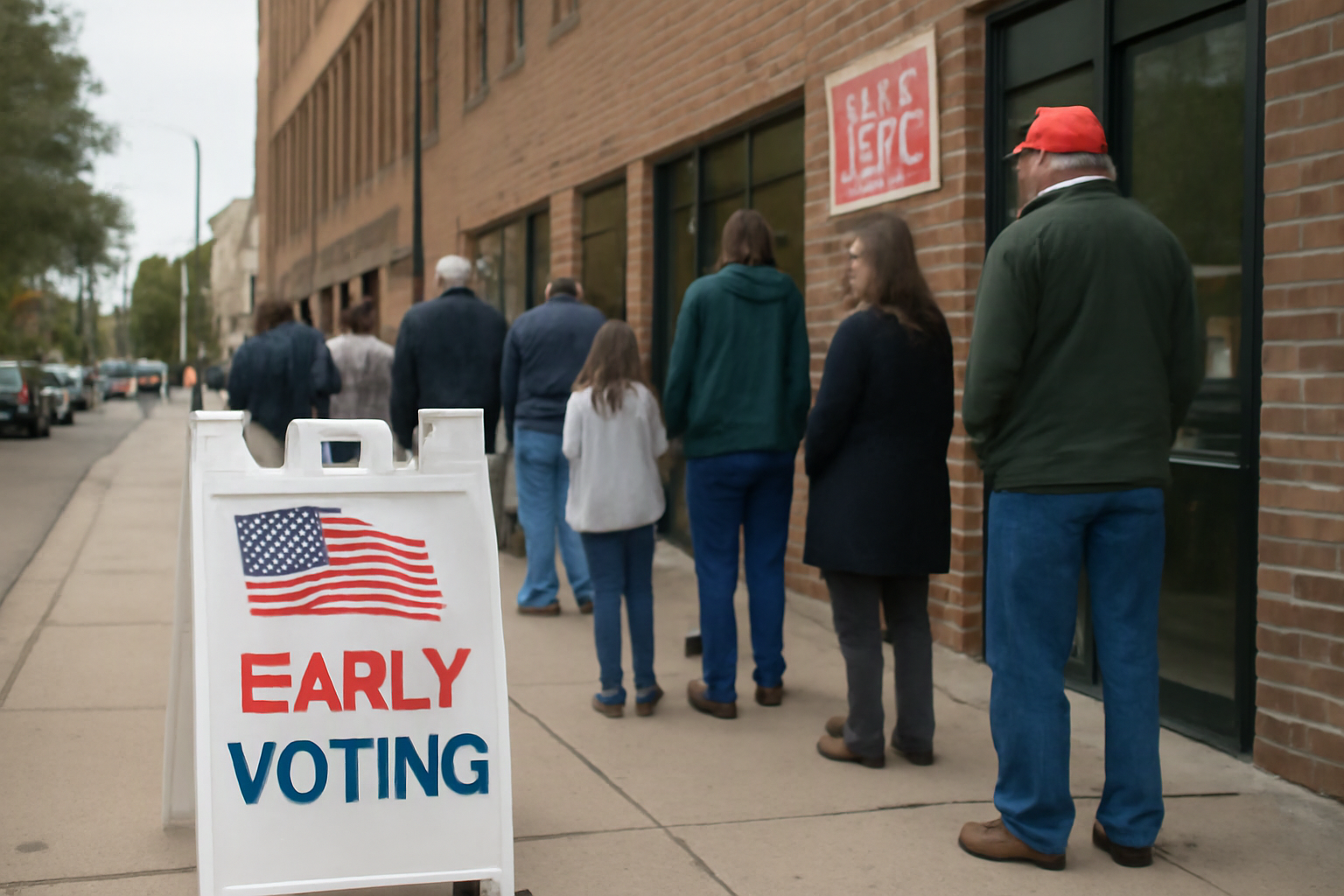
As the sun rose over Minneapolis on Tuesday, a long line of voters snaked around the block outside the local community center. Excitement buzzed in the air as residents eagerly awaited their turn to cast their ballots. With a record number of Minnesotans voting early this election season, the atmosphere was electric, showcasing a community deeply engaged in the democratic process.
This year, Minnesota has seen an unprecedented surge in early voting, with Secretary of State Steve Simon reporting a significant increase compared to previous elections. As of the latest figures, over 1.5 million voters had already cast their ballots before Election Day, marking a historic milestone for the state. This surge reflects a growing trend of participation among residents eager to make their voices heard.
The early voting period began on September 23 and ran through November 6, allowing voters ample time to make their choices without the pressures of a crowded polling place. Many Minnesotans took advantage of this flexibility, citing convenience and a desire to avoid long lines on Election Day as key factors in their decision to vote early.
The enthusiasm surrounding early voting is a testament to the commitment of Minneapolis residents to participate in the electoral process. Local organizations, such as the Minneapolis Chamber of Commerce, have played a pivotal role in encouraging civic engagement. They organized events and provided resources to educate voters about the early voting process.
“We’ve seen a remarkable response from the community,” said Chamber President and CEO Jonathan Weinhagen. “People are excited to be part of the democratic process, and it’s inspiring to see so many individuals taking the initiative to vote early.”
In addition to the efforts of established organizations, grassroots movements have also emerged to bolster voter turnout. Community groups, such as the Minnesota Voices, have mobilized volunteers to reach out to underrepresented communities, ensuring they have the information and resources needed to vote. These initiatives are particularly important in neighborhoods where historical disenfranchisement has created barriers to participation.
“We are meeting people where they are, whether that’s at community events, local coffee shops, or even door-to-door,” said Maria Lopez, a volunteer coordinator with Minnesota Voices. “Our goal is to ensure that everyone understands their voting rights and feels empowered to make their voices heard.”
This record turnout is not just a statistic; it signifies a shift in how Minnesotans view their role in democracy. Early voting allows individuals with busy schedules, such as parents, students, and working professionals, to participate in elections without the added stress of time constraints. This accessibility is crucial for fostering a more inclusive electoral process.
Moreover, the increased participation reflects a growing awareness of the importance of voting among younger generations. High school students, encouraged by their teachers and community leaders, have been actively engaging in discussions about civic responsibility and the impact of their vote.
Schools across Minneapolis have implemented programs aimed at educating students about the electoral process. For instance, the Minneapolis Public Schools district has partnered with local organizations to host mock elections and discussions about the importance of civic engagement. “It’s essential that we prepare our students to be active participants in democracy,” said Principal James Thompson of North High School. “By fostering a culture of voting, we are equipping them with the tools they need to shape their future.”
According to data from the Minnesota Secretary of State, early voting has become a staple in the state’s electoral process. In the past, early voting was a relatively new concept, but it has quickly gained traction. The state has invested in outreach efforts to ensure that all residents are aware of their voting options.
“We are committed to making voting as accessible as possible,” Simon stated. “Our goal is to empower every Minnesotan to participate in elections, and the early voting numbers reflect that commitment.”
The rise in early voting aligns with broader trends across the United States, where states are increasingly adopting measures to enhance voter access. Minnesota has long been recognized as a leader in voter participation, often ranking among the highest in the nation for turnout. This commitment to civic engagement can be traced back to the state’s progressive history and a strong emphasis on community involvement.
The community’s response to early voting has been overwhelmingly positive. Many residents expressed their satisfaction with the process, highlighting its convenience and efficiency. “I love the fact that I can vote on my own schedule,” said local resident Maria Gonzalez, who voted early with her husband and children. “It makes the whole experience much less stressful.”
Families have embraced early voting, utilizing the opportunity to teach their children about the importance of civic engagement. Parents have taken their kids along to polling places, fostering a sense of responsibility and community involvement in the next generation.
Personal anecdotes from voters illustrate the impact of early voting on individual lives. Take, for example, John and Linda Harris, a retired couple who have lived in Minneapolis for over 30 years. “We’ve always made it a point to vote, but early voting has changed the way we approach it,” John shared. “With our grandchildren’s schedules and our own, it’s a blessing to have the flexibility.” Their story is emblematic of many in the community who are balancing multiple responsibilities while still prioritizing their civic duties.
Despite the successes of early voting, challenges remain. Some voters reported confusion regarding registration deadlines and polling locations. Local election officials are working diligently to address these issues, providing clear information to ensure that every vote counts.
“We want to make sure that no one feels discouraged from voting due to a lack of information,” said Minneapolis Election Director Alana K. McDaniel. “Our team is here to help, and we encourage anyone with questions to reach out.”
As Election Day approaches, the excitement in Minneapolis continues to build. With record numbers of early voters, the city is poised for a robust turnout that could reshape local and state politics. The participation of engaged citizens reflects a healthy democracy, grounded in the belief that every vote matters.
The ongoing collaboration between state officials and local organizations will be crucial in maintaining this momentum. Simon noted that federal intelligence officials have resumed some cooperation with state elections staff, which will enhance security measures and ensure a fair voting process.
“We are committed to safeguarding the integrity of our elections,” Simon added. “Working together, we can ensure that every Minnesotan’s voice is heard.”
The Minneapolis community stands united in its commitment to democracy, showcasing the power of civic engagement as a cornerstone of American values. As residents head to the polls, they carry with them the hopes and dreams of a brighter future for their families and their community.
Looking ahead, the focus will not only be on the current election but also on sustaining this momentum for future elections. Community leaders are already discussing ways to continue fostering engagement, including potential initiatives aimed at increasing participation among young voters and underrepresented groups. “Our work is far from over,” said Weinhagen. “We need to ensure that this level of engagement is not just a one-time event but a lasting change in our community.”
By Katherine Langford
By Katherine Langford

By Katherine Langford

By Katherine Langford