
Real Estate
Live: Seven candidates seek three St. Paul school board seats
By Marcus Chen
Advertisement · Why this ad?
Marcus manages the day-to-day editorial workflow across all brands, coordinating coverage assignments and ensuring editorial standards are met. He previously served as city editor at the Pioneer Press and holds a degree in Political Science from Carleton College.
More from Marcus →
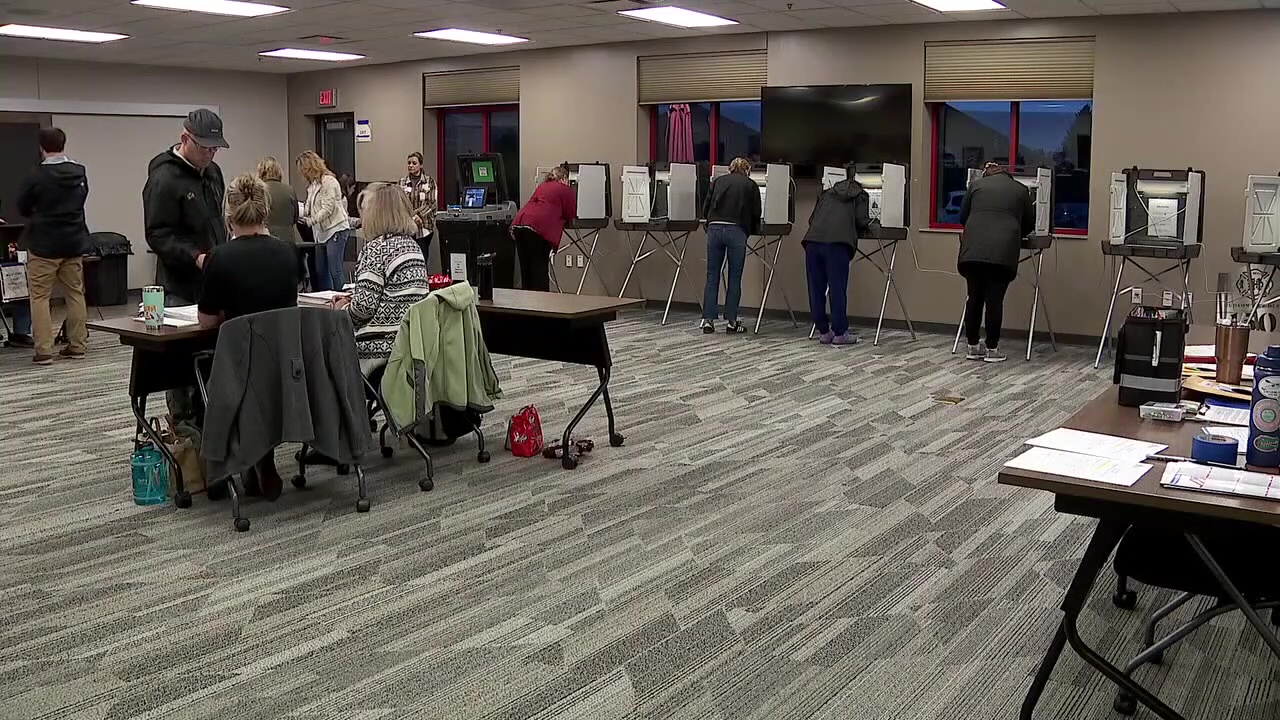
As the sun set over Tampa on a warm Tuesday evening, cheers erupted from a crowd gathered at a local community center. Families and homeowners embraced, celebrating a significant victory for property owners across Florida. Voters had just approved Amendment 3, a sweeping measure that will reshape property tax laws in the state, providing relief for homeowners and commercial landlords alike.
Florida voters passed Amendment 3 with over 60% approval, marking a historic shift in the state's approach to property taxes. This amendment will enhance property tax exemptions for primary residences and significantly lower the allowable annual assessment increases for commercial properties, second homes, and rental units. The measure received the necessary supermajority at the ballot box, reflecting widespread support among Floridians for tax relief amid rising living costs.
The amendment introduces a phased increase in the baseline homestead exemption, which will rise from the previous $25,000 to $250,000 for non-school property taxes by 2028. This change is expected to provide substantial financial relief to homeowners grappling with escalating property values.
Furthermore, starting January 1, 2027, annual assessment growth limits on non-homestead properties will decrease from 10% to 5%. This reduction aims to protect commercial landlords and property owners from sudden spikes in market assessments, fostering a more stable economic environment.
The approval of Amendment 3 has elicited a mix of enthusiasm and concern among Florida residents. Supporters, including many families and local business owners, hailed the measure as a crucial step toward easing financial burdens. "This is a game-changer for us," said Maria Gonzalez, a Tampa resident and small business owner. "With property taxes on the rise, this amendment gives us hope for a more affordable future."
However, not everyone shares the same optimism. Municipal leaders and county officials have expressed worries about the long-term implications of the amendment. They caution that the expected revenue loss could reach tens of billions of dollars over the next five years, potentially leading to cuts in essential public services.
City officials have raised alarms about the impact on local budgets. With reduced property tax revenues, cities may face difficult decisions regarding funding for schools, public safety, and infrastructure projects. "We want to support our residents, but we also need to ensure our communities remain viable," noted Councilman David Johnson of Tampa. "This amendment could force us to make tough choices."
Local governments are already bracing for the shift. In Tampa, Mayor Jane Smith emphasized the importance of community engagement in navigating these changes. "We need to hear from our residents about what services they value most," she stated. "This is a time for collaboration to ensure we can still provide essential services while also giving relief to our homeowners and businesses."
The passage of Amendment 3 is not just a legislative change; it reflects the growing concerns of Floridians facing the dual challenges of rising property values and an increasing cost of living. Many families have felt the pressure of soaring home prices, which have risen dramatically in recent years, pushing homeownership out of reach for many. The amendment aims to alleviate some of that pressure, providing a much-needed lifeline to those struggling to stay afloat in an ever-changing economic landscape.
In neighborhoods like Ybor City and South Tampa, where the real estate market has seen explosive growth, residents have expressed relief at the prospect of lower property taxes. Homeowner associations are already planning meetings to discuss how these changes can benefit their communities. "We’ve been fighting for more affordable housing, and this amendment is a step in the right direction," said Angela Martinez, president of the Ybor City Neighborhood Association.
Despite the optimism surrounding the amendment, there are significant hurdles that local governments must address. The anticipated revenue shortfall could lead to increased millage rates or cuts to vital services such as public education and emergency services. Local leaders are tasked with finding innovative solutions to mitigate these impacts.
For instance, some municipalities are exploring alternative revenue sources, such as increasing tourism taxes or enhancing business incentives to stimulate local economies. "We need to be creative and proactive in finding ways to fund our essential services," remarked County Commissioner Lisa Reynolds. "The community deserves a balanced approach that doesn’t sacrifice quality for affordability."
As Florida prepares for the implementation of Amendment 3, residents and local governments will need to navigate the new landscape of property taxes. The phased increase in the homestead exemption will begin on January 1, 2027, with the non-school exemption rising to $150,000 initially, followed by a jump to $250,000 the following year.
Moreover, the annual assessment cap reduction for non-homestead properties will be closely monitored as it takes effect. Local governments will have to adjust their budgets accordingly, balancing the need for essential services with the financial relief provided to homeowners and businesses.
In the coming months, community meetings will likely be held to discuss the implications of the amendment. Residents will have the opportunity to voice their concerns and suggestions as local leaders work to address the challenges posed by the new tax structure. Engaging with the community will be crucial to ensuring that the benefits of Amendment 3 are realized without sacrificing vital public services.
Additionally, local advocacy groups are mobilizing to educate residents about the changes and how they can best prepare for the future. Workshops on financial planning and property tax implications are being organized to help homeowners understand the potential impacts on their finances.
The passage of Amendment 3 signifies a pivotal moment for Florida homeowners and commercial property owners. While the promise of reduced property taxes offers hope to many, the concerns raised by local officials underscore the need for careful planning and community dialogue. As the state moves forward, it will be essential to strike a balance between providing financial relief to families and maintaining the quality of life in Florida's communities.
With implementation on the horizon, residents are encouraged to stay informed about the changes and participate in discussions that will shape the future of property taxation in their neighborhoods. The success of Amendment 3 will depend not only on its initial benefits but also on how effectively local governments can adapt to the new financial realities.
By Marcus Chen

By Katherine Langford
By Katherine Langford

By Marcus Chen